Sweet Heat Beyond Hot Honey: Building Balanced “Swicy” Flavor
Balance “swicy” dishes with measured sweetness, chile heat, salt, acid, and fat—plus practical fixes for sauces, glazes, snacks, and mains.
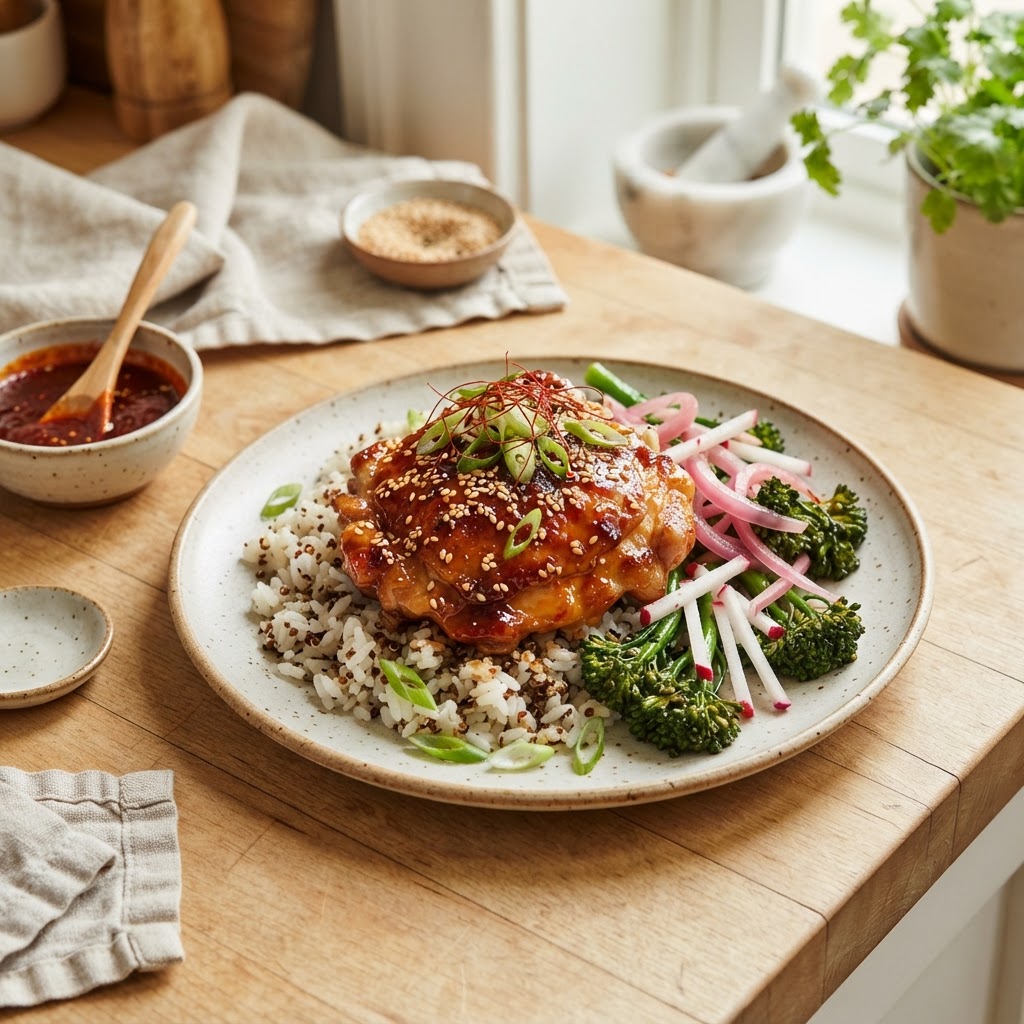
Quick reference
- Element: What it contributes Start with
- Sweetness: Rounds chile heat 1 teaspoon at a time
- Chile: Warmth and aroma Add gradually
- Salt: Sharpens flavor A pinch
- Acid: Keeps it lively Lime or vinegar
Build the balance, not just the burn
A satisfying swicy dish tastes layered: sweetness softens chile heat, salt makes both flavors clearer, acid prevents the result from feeling heavy, and fat carries aroma while smoothing sharp edges. Start with a modest amount of sweetener, then add chile in small increments. Taste after each addition. The goal is contrast—such as a crisp, tangy coating on fried tofu—not a sauce that tastes like candy with pepper stirred in.
Choose sweetness beyond hot honey
Honey is only one option. Brown sugar gives a glossy glaze for salmon or pork; maple syrup works with roasted squash and smoky chiles; fruit preserves bring both sweetness and acidity to a cheese sandwich or grilled chicken. Coconut sugar, date syrup, and sweet chile sauces can add deeper notes. If the dish already contains naturally sweet ingredients, such as carrots or pineapple, use less added sugar and let those flavors carry the balance.
- Brown sugar: sticky, caramel-like glazes
- Maple: woodsy with smoky chile
- Fruit preserves: sweet-tart and bold
Match the chile to the food
Chile heat should contribute flavor as well as intensity. Crushed red pepper adds quick, direct heat; chipotle brings smoke; gochujang adds fermented depth and sweetness; fresh jalapeño keeps a salsa bright. Bloom dried chile briefly in oil for a rounder flavor, or add fresh chile near the end for a sharper edge. Remember that heat can build as a dish sits, so pause before adding more.
Use salt, acid, and fat as controls
Salt is often the missing adjustment in a sweet-spicy sauce, but add it carefully if using soy sauce, miso, cheese, or seasoned stock. Lime juice, rice vinegar, cider vinegar, or pickled vegetables cut through sweetness and make the chile taste more focused. Fat changes the texture and delivery: butter rounds a pan sauce, mayonnaise mellows a dip, and neutral oil helps a glaze cling. Add acid near the end, then retaste.
- Too sweet: add acid and a pinch of salt
- Too hot: add fat, sweetness, or more unsalted base
- Flat: check salt before adding more chile
Practical formulas for swicy dishes
For a quick glaze, combine two parts savory liquid—such as soy sauce or broth—with one part sweetener, then add chile and acid to taste. For a dip, stir a sweet element into yogurt or mayonnaise, add chile, and finish with lime. For roasted vegetables, toss with oil, salt, chile, and a small spoonful of maple or fruit preserve after roasting so the sugars do not scorch. These proportions are starting points; adjust for the ingredient’s saltiness, strength, and cooking method.
Taste in stages and serve with contrast
Sample the sauce at room temperature and again on the finished food: starch, char, and fat can mute or amplify flavors. A swicy meal benefits from contrast elsewhere on the plate—cool cucumber, fresh herbs, plain rice, toasted nuts, or a sharp slaw. When using a glaze on meat or fish, reserve some sauce for finishing rather than repeatedly brushing raw-food juices back into the serving bowl. That keeps the flavor clean and the presentation brighter.