How to Reheat Dinner Rolls Without Drying Them Out
Reheat dinner rolls gently in a foil-wrapped oven packet, or use short microwave bursts; finish with butter for soft, warm results.
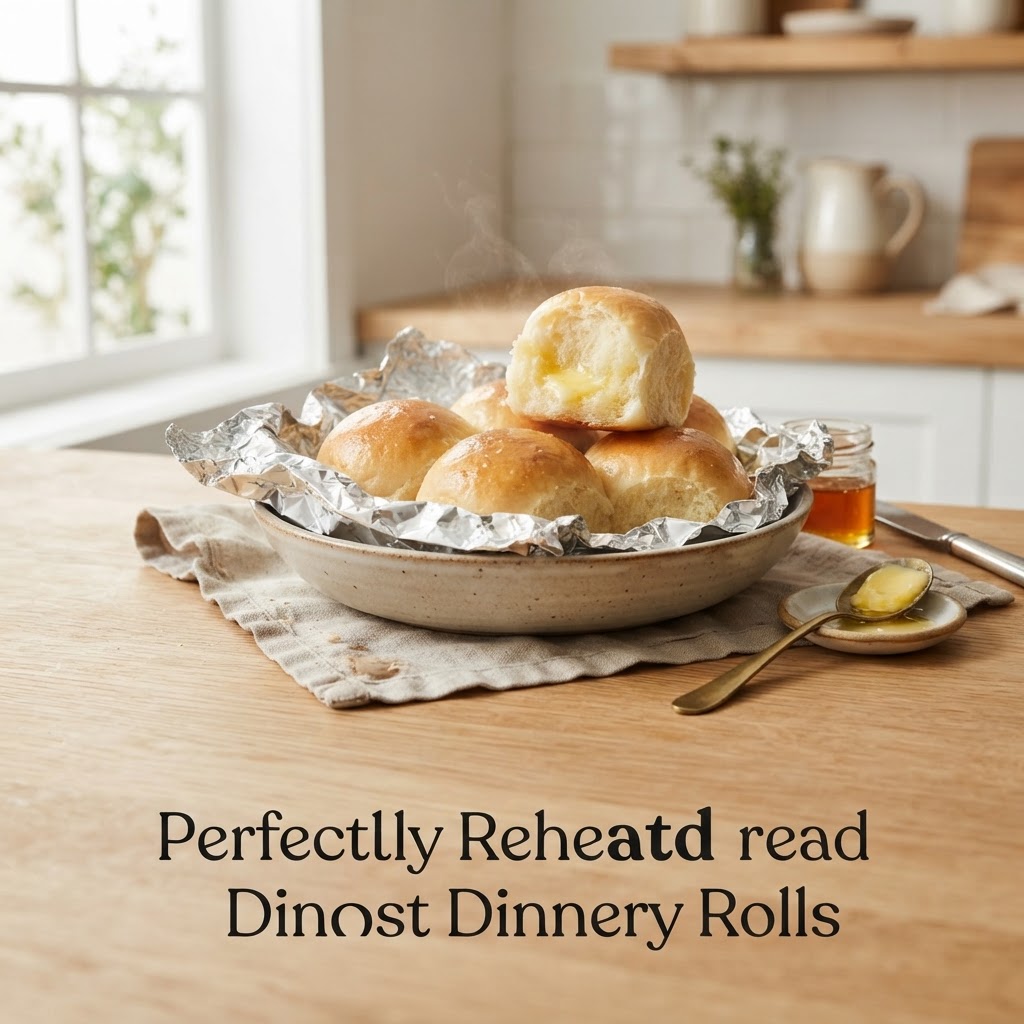
Quick reference
- Method: Temperature Approximate time
- Oven, wrapped: 300°F / 150°C 8–12 minutes
- Microwave, 1–2 rolls: High 10–15 seconds
- Frozen rolls, oven: 325°F / 165°C 15–20 minutes
The best everyday method: foil-wrapped oven rolls
To reheat dinner rolls without drying them out, place them in a small baking dish and cover the dish tightly with aluminum foil. Warm at 300°F (150°C) for about 8–12 minutes, depending on their size and how cold they are. The foil holds in enough moisture to soften the crumb while the gentle oven temperature warms the centers. For a small batch, begin checking after 5–6 minutes.
- Brush the rolls lightly with water if they feel noticeably stale.
- Keep rolls in a single layer for even warming.
- Remove the foil for the final minute only if you want a slightly firmer surface.
A quick microwave option
For one or two rolls, wrap each roll loosely in a barely damp paper towel and microwave on high for 10–15 seconds. Check, then add 5-second bursts as needed. This is the fastest way to warm dinner rolls, but it can make them chewy if they are overheated or left sitting in the microwave. Use the microwave for immediate serving rather than holding the rolls warm for a long time.
- Use shorter bursts for small or thin rolls.
- Do not microwave rolls in foil or any metal-lined packaging.
- Serve promptly for the softest texture.
How to warm frozen dinner rolls
Frozen baked rolls can go straight into the oven. Arrange them in a covered baking dish and heat at 325°F (165°C) for roughly 15–20 minutes, checking the center before serving. Larger, denser, or tightly packed rolls may need longer; separate them when possible. If the rolls are thawed first, use the standard 300°F oven method and start checking early.
- Keep frozen rolls covered so the exterior does not harden.
- Avoid a high oven temperature, which can brown the outside before the center warms.
- For packaged rolls, follow any heating directions that differ from these general times.
Finish with butter after warming
Add butter after the rolls are hot, not before. Brush the tops with melted butter or split the rolls and add softened butter just before serving. This adds richness and a tender surface without giving the butter time to soak away or burn during reheating. A light brushing is usually enough; too much can make the rolls greasy.
- Use salted or unsalted butter according to the rest of the meal.
- For a glossy finish, brush immediately after removing the foil.
- Warm only what you plan to serve.
Avoid overheating and store leftovers well
Rolls lose moisture each time they are heated, so stop as soon as the centers are warm. If you have leftover rolls, keep them tightly wrapped at room temperature for short-term use, or freeze them for longer storage. Refrigeration can make bread seem firm, so freezing is usually preferable when you will not use the rolls soon. Reheat small batches rather than repeatedly warming the entire batch.
- Start with the shortest timing and add heat gradually.
- Let frozen rolls cool briefly after warming so the centers finish softening.
- Discard rolls with visible mold or an off smell.