How to Make a High-Protein Pasta Sauce Without Protein Powder
Make a high protein pasta sauce with cottage cheese, Greek yogurt, beans, or lean meat, using gentle heat for a smooth, savory finish.
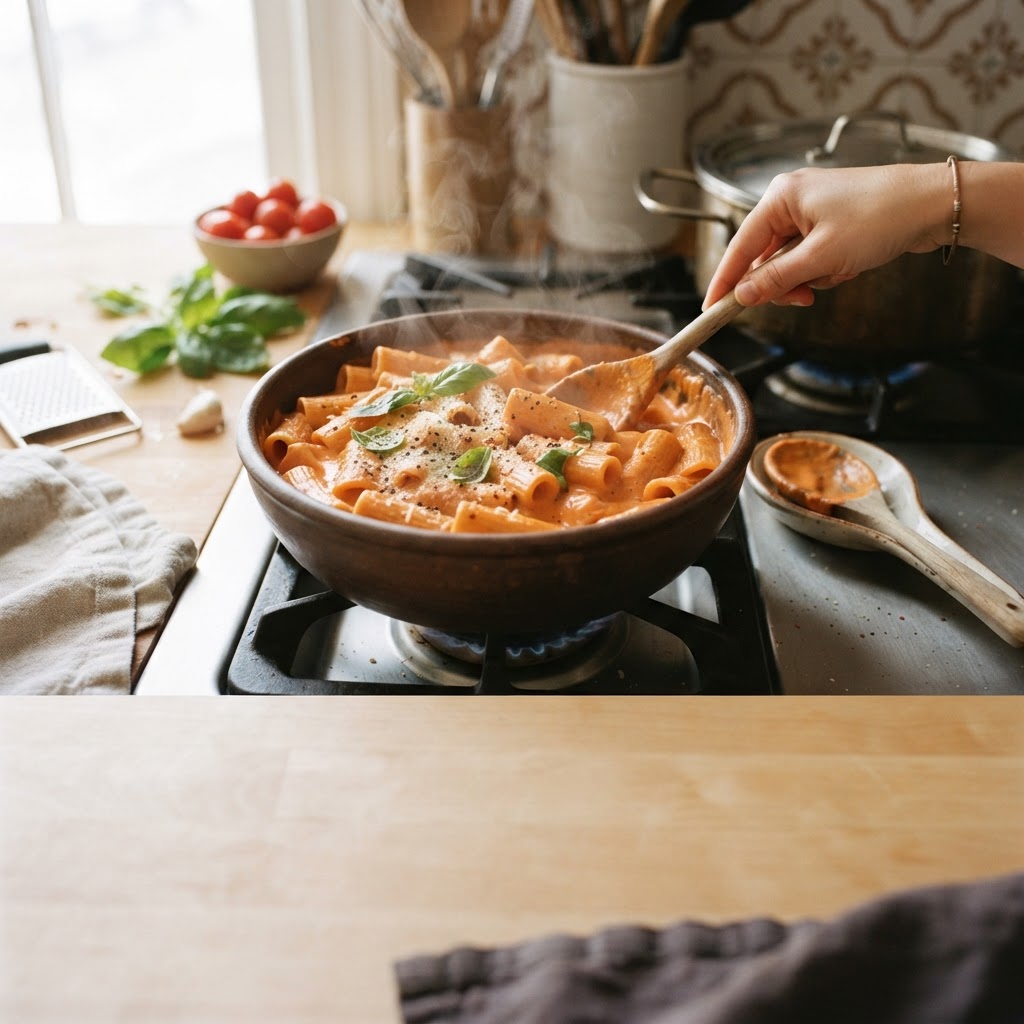
Quick reference
- Cottage cheese: Blend until smooth Add off heat
- Greek yogurt: Thin with pasta water Use gentle heat
- Beans: Blend or mash Season generously
- Lean meat: Brown thoroughly Combine with sauce
Start with a protein-rich base
For a creamy high protein pasta sauce, blend cottage cheese with a little reserved pasta water until smooth. Greek yogurt works well for a tangy sauce, but stir it in after the pan comes off the heat. For a dairy-free option, blend drained white beans with olive oil, garlic, and pasta water. Each base becomes more flavorful with salt, black pepper, herbs, and a savory ingredient such as Parmesan, miso, or sautéed mushrooms.
- Use full-fat or low-fat cottage cheese according to the texture you prefer.
- Choose plain, unsweetened Greek yogurt.
- Blend beans completely for a smooth sauce, or mash them for texture.
Build savory flavor first
Before adding the protein base, cook aromatics in a wide skillet. Sauté minced garlic, shallot, or onion in olive oil, then add tomato paste, chili flakes, smoked paprika, or dried herbs. These ingredients give the sauce depth without making it sweet. For a meat-based version, brown lean ground beef, turkey, chicken, or pork until fully cooked, then fold it into a tomato sauce or blend part of it with the finished sauce for a thicker coating.
- Deglaze the skillet with a splash of pasta water.
- Add vegetables such as spinach, mushrooms, zucchini, or roasted peppers.
- Taste for salt only after adding cheese, miso, or seasoned meat.
Use gentle heat with dairy
Cook the pasta just until al dente and reserve at least 1 cup of its cooking water. Drain, then combine the pasta with the savory sauce over low heat. For cottage cheese or Greek yogurt sauces, turn off the heat before stirring in the dairy. Add pasta water a tablespoon at a time until glossy and loose. Avoid boiling the sauce; high heat can make dairy sauces grainy or cause them to separate.
- Add grated Parmesan at the end for extra savoriness.
- A squeeze of lemon can balance a rich dairy sauce.
- Keep the sauce slightly loose because it thickens as it stands.
A simple formula to follow
For two servings, start with 8 ounces of pasta, 1 cup cottage cheese or Greek yogurt, and ½ to ¾ cup pasta water. Add one garlic clove, 1 tablespoon olive oil, and enough seasoning to make the sauce taste full rather than bland. For a bean sauce, use about 1 cup drained beans. For a meat sauce, brown 8 ounces of lean ground meat before adding tomatoes or vegetables.
- Blend dairy or beans before combining with hot pasta.
- Reserve extra pasta water for reheating.
- Finish with herbs, pepper, or a small amount of cheese.
Storage and reheating
Cool leftover pasta promptly and refrigerate it within 2 hours; keep it for 3 to 4 days. Reheat leftovers to 165°F / 74°C, adding a splash of water or milk to loosen the sauce. Warm gently in a skillet or microwave, stirring often. Dairy-based sauces may thicken or separate slightly after chilling, while bean and tomato sauces usually reheat more evenly.
- Store sauce and pasta separately when possible.
- Do not leave cooked pasta at room temperature for extended periods.
- Add fresh herbs after reheating for a brighter finish.