How to Freeze Cooked Pasta and Sauced Pasta Without Mushiness
Yes—freeze cooked pasta successfully by undercooking it slightly, cooling it quickly, portioning well, and reheating with the right amount of sauce.
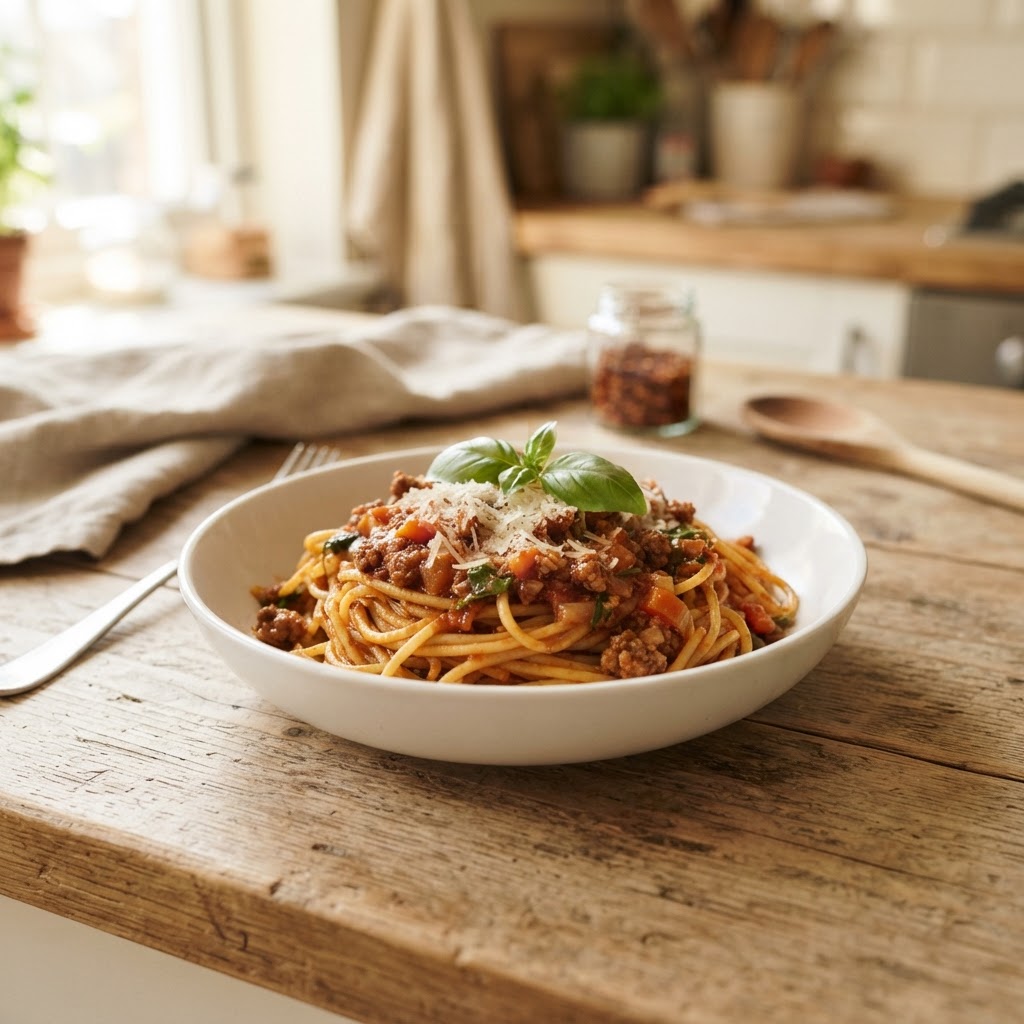
Quick reference
- Plain pasta: Best texture Freeze slightly underdone with a little oil
- Sauced pasta: Most convenient Use sturdy sauces and modest amounts
- Portion size: Single meals Freeze flat in airtight containers or bags
- Best quality: Within 1–2 months It remains safe longer when continuously frozen, but texture declines
Yes—cooked pasta can be frozen
The key is to stop cooking before the pasta reaches its ideal serving texture. Boil it about 1–2 minutes less than the package directions, so it is firm in the center. Drain promptly, then cool it quickly rather than letting it sit in the hot pot. Pasta freezes best when it is portioned, well sealed, and reheated briefly with moisture. Very soft pasta, delicate cream sauces, and thin noodles are more likely to turn mushy.
Plain pasta: the best texture
Drain slightly undercooked pasta and toss it with just enough olive oil to prevent clumping—too much oil can keep sauce from adhering later. Spread it on a tray to cool, then divide into meal-size portions. Pack each portion in a freezer bag or airtight container, pressing out excess air. Freeze flat when using bags; once solid, they can be stacked. Label with the date and use within 1–2 months for the best texture.
- Choose short shapes, spaghetti, or sturdy noodles.
- Avoid freezing pasta that has already been overcooked.
- Freeze sauce separately when you want the freshest result.
Sauced pasta: convenient, but choose wisely
Sauced pasta can go straight into the freezer after cooling, especially with tomato, meat, or vegetable sauces. Mix in enough sauce to coat the pasta without leaving it swimming; extra sauce can be added during reheating. Cream, cheese, and oil-based sauces may separate or become grainy, although stirring while warming often improves them. For the most reliable texture, freeze the pasta and sauce separately, then combine them hot.
Cool, portion, and seal safely
Transfer cooked pasta into shallow portions so it cools quickly, and refrigerate or freeze perishable leftovers within 2 hours—or within 1 hour when the room is above 90°F / 32°C. Do not seal a large, steaming batch in one deep container. Once cool, use airtight packaging with as little empty space as practical. Refrigerated cooked pasta keeps 3–4 days; freeze anything you will not use in that window.
Thawing and reheating without mushiness
For the most even result, thaw a portion overnight in the refrigerator. You can also reheat some frozen pasta directly, particularly small portions. Warm it in a covered skillet or saucepan with a splash of water, stock, or extra sauce, stirring gently until hot throughout. A microwave works best in short intervals with a cover and a spoonful of liquid. Reheat leftovers to 165°F / 74°C, and avoid repeated freeze-thaw cycles.
- Skillet: medium-low heat, covered, with added liquid.
- Microwave: short bursts, stirring between intervals.
- Add fresh herbs, cheese, or a little sauce after reheating.