Global Comfort Food: Why Familiar Formats Travel So Well Across Cuisines
Global comfort food often shares familiar formats—dumplings, rice dishes, stews, breads, and noodles—while local ingredients and techniques keep each tradition distinct.
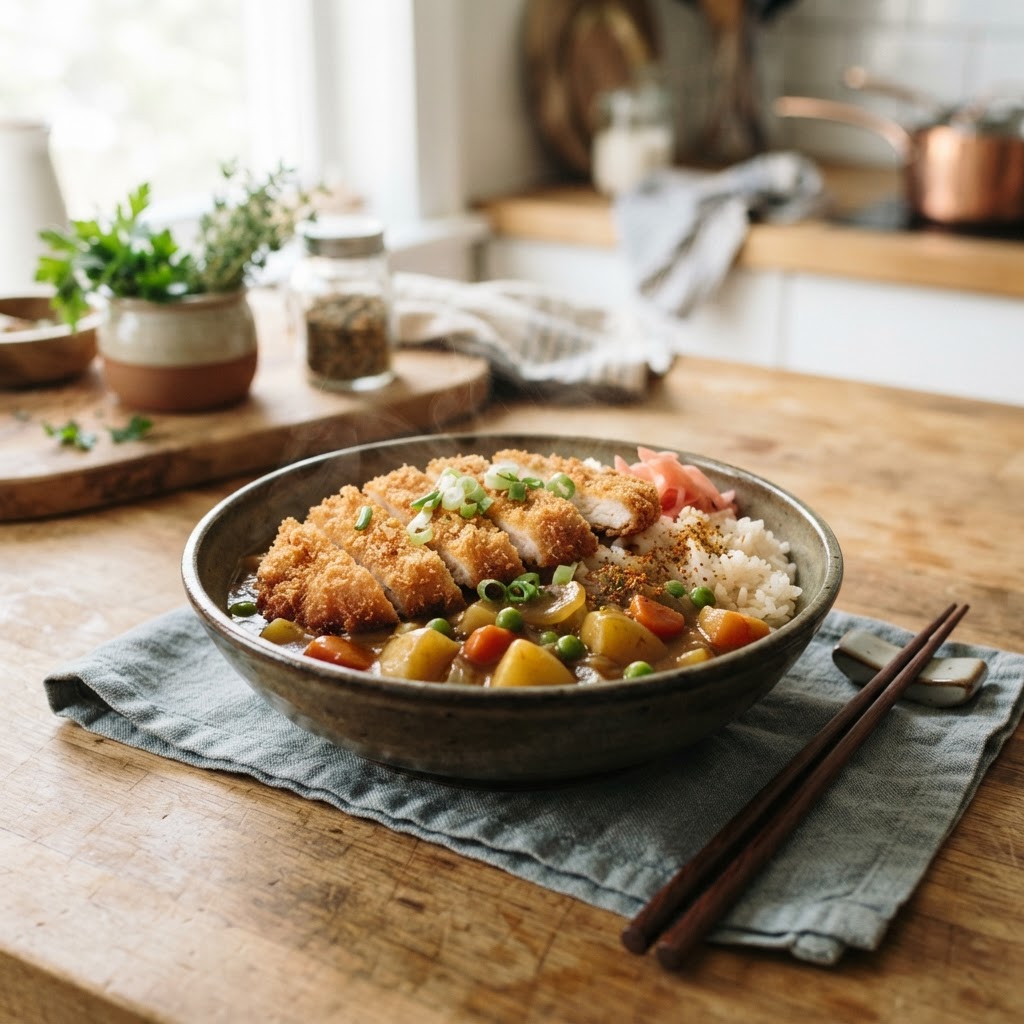
Quick reference
- Format: What travels What changes locally
- Dumplings: Filled or folded dough Wrapper, filling, cooking method
- Rice dishes: Grain plus seasoning Rice type, liquid, toppings
- Stews: Slow-cooked ingredients Spices, broth, texture
- Stuffed breads: Bread with filling Dough, shaping, serving style
Why familiar formats cross borders
Global comfort food travels well because a recognizable format gives cooks a useful starting point: dough can wrap a filling, rice can carry a meal, and a pot can turn several ingredients into something shared. The format is familiar, but the meaning and technique remain local. Climate, available grains, religious traditions, trade, migration, and household habits all shape the finished dish. Similar structure does not mean identical food; it shows how different cuisines solve everyday cooking needs in their own languages.
Dumplings: one shape, many identities
Dumplings may be steamed, boiled, fried, baked, or simmered directly in broth. A delicate filled pasta, a pleated wheat wrapper, a cornmeal pocket, and a spoonful of dough dropped into stew belong to different culinary traditions, even when the broad idea overlaps. Compare QuickDinner recipes for pierogi, gyoza, momo, or chicken-and-dumpling styles by looking at dough texture, filling balance, and cooking method—not just their appearance.
- Notice the wrapper: wheat, rice, corn, or no separate wrapper.
- Compare whether the filling is seasoned before cooking or finished with sauce.
- Treat dipping sauces and broths as part of the dish’s identity.
Rice dishes are shaped by the pot
Rice dishes range from pilafs and biryanis to risottos, fried rice, jambalaya, and rice-and-bean plates. Their differences come from more than toppings. The cook may toast the grains, layer ingredients, stir continuously, cook everything in one pot, or fry cooked rice later. Rice variety and liquid level matter too. When adapting an international rice recipe, preserve its cooking method first; substitutions are easier to judge after you understand whether the desired result is fluffy, creamy, crisp, or deeply seasoned.
Stews and stuffed breads turn local ingredients into comfort
Stews share a patient, communal format, yet a tomato-rich braise, a spiced bean pot, and a soy-seasoned simmer can have entirely different aromas and textures. The same is true of stuffed breads: flatbreads, pies, pastries, and filled rolls reflect local grains, fats, ovens, and eating habits. For a useful comparison, ask what is wrapped or simmered, when seasoning is added, and whether the dish is meant for dipping, sharing, or eating as a complete meal.
Noodles: texture is part of the tradition
Noodles travel through shape, flour, starch, broth, and sauce. Some are springy and hand-pulled; others are thin, soft, chewy, or crisped in a pan. A noodle dish is also defined by its finishing system: concentrated sauce, clear broth, aromatic oil, fermented seasoning, or a mix of garnishes. QuickDinner’s international noodle recipes are best compared by preparation and texture rather than by treating every bowl as a variation on one universal template.
How to cook across cuisines respectfully
Use familiar formats as a way to explore, not flatten, culinary traditions. Read the recipe’s method, learn the names of key ingredients, and make substitutions openly when needed. Preserve the defining technique—folding, layering, toasting, simmering, or tossing—before adjusting heat or pantry items. A good comparison asks both questions: what does this dish share with foods elsewhere, and what makes it unmistakably itself?
- Keep the original dish name when making a practical substitution.
- Follow the stated texture cues, not just the clock.
- Serve with the customary sauce, garnish, or accompaniment when possible.