Cheese Melting Guide: Which Cheeses Melt Smoothly and Which Separate
Cheeses melt smoothly when moisture, fat, age, and heat are balanced; learn which varieties suit sauces, pizza, sandwiches, casseroles, and queso.
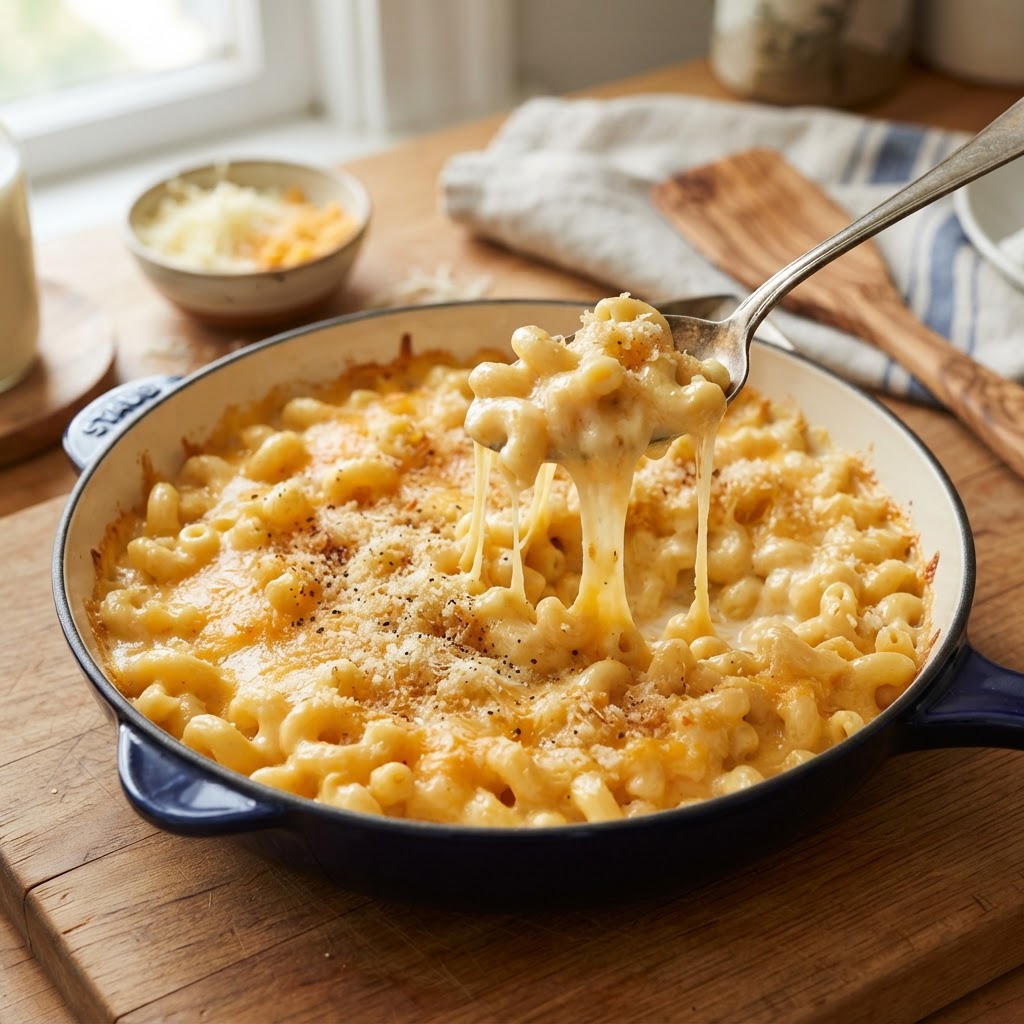
Quick reference
- Smooth and reliable: Cheddar, Monterey Jack, mozzarella Use for sauces, pizza, and sandwiches
- Creamy with help: American, cream cheese, Gruyère Good with gentle heat or added liquid
- Stringy or stretchy: Low-moisture mozzarella, provolone Excellent for pizza and baked dishes
- Likely to separate: Feta, ricotta, aged Parmesan Use as toppings or blend with a base
Why some cheeses melt better
A smooth melt depends mainly on moisture, fat, age, and temperature. Young to moderately aged cheeses usually contain enough moisture to soften before their fat separates. Gentle heat gives the proteins time to relax and the fat time to disperse. High heat drives out moisture, leaving an oily layer and a tight, grainy mass. For the smoothest result, grate cheese finely, add it gradually, and remove the pan from direct heat before it fully melts.
Best choices for smooth cheese sauces
Monterey Jack, young cheddar, Colby, fontina, and mild Gouda melt into a cohesive sauce. American cheese is especially dependable because its added emulsifying salts help keep water and fat together. Gruyère and raclette become silky when paired with enough liquid and low heat, while cream cheese adds body but is best combined with another melting cheese. For pasta or queso, start with a milk, cream, or evaporated-milk base, then whisk in cheese off the boil.
- Grate cheese from a block for more even melting.
- Keep the sauce warm, not bubbling.
- Add a splash of liquid if it tightens.
Cheeses that stretch, brown, or turn oily
Mozzarella, provolone, and young scamorza are valued for stretch and browning rather than a spoon-smooth sauce. Low-moisture mozzarella works well on pizza because it releases less water, while fresh mozzarella melts softly but can make a pie wet unless drained. Cheddar becomes more prone to oiliness as it ages, especially under intense heat. Aged Parmesan, Pecorino, and other hard cheeses bring savory flavor but can clump or turn grainy when melted alone.
Cheeses that do not fully melt
Feta, queso fresco, paneer, halloumi, and ricotta soften, warm, or brown without becoming fluid. They are useful in casseroles, fillings, salads, and baked toppings, but they will not behave like Monterey Jack in a cheese sauce. Blue cheese can melt, though its strong flavor and separated fat make it better as a small accent. Blend crumbly cheeses with a smoother base when you want flavor without a broken texture.
Control heat for every recipe
For sandwiches and casseroles, moderate heat lets the center soften before the surface overbrowns. On pizza, use a cheese blend: mozzarella for stretch, a firmer cheese for flavor, and a small amount of Parmesan for browning. In queso or pasta, avoid boiling after cheese is added. If a sauce looks oily, lower the heat and whisk in warm liquid; if it is grainy, the cheese was likely overheated or added too quickly. Emulsifying ingredients such as American cheese, cream, or a small amount of cornstarch can improve stability.
- Use low to medium heat for stovetop melting.
- Mix cheeses with similar melting behavior.
- Add hard cheeses at the end for flavor.