Best Apples for Apple Crisp
Find the best apples for apple crisp, including firm tart and sweet varieties, smart combinations, and simple prep tips for balanced, tender filling.
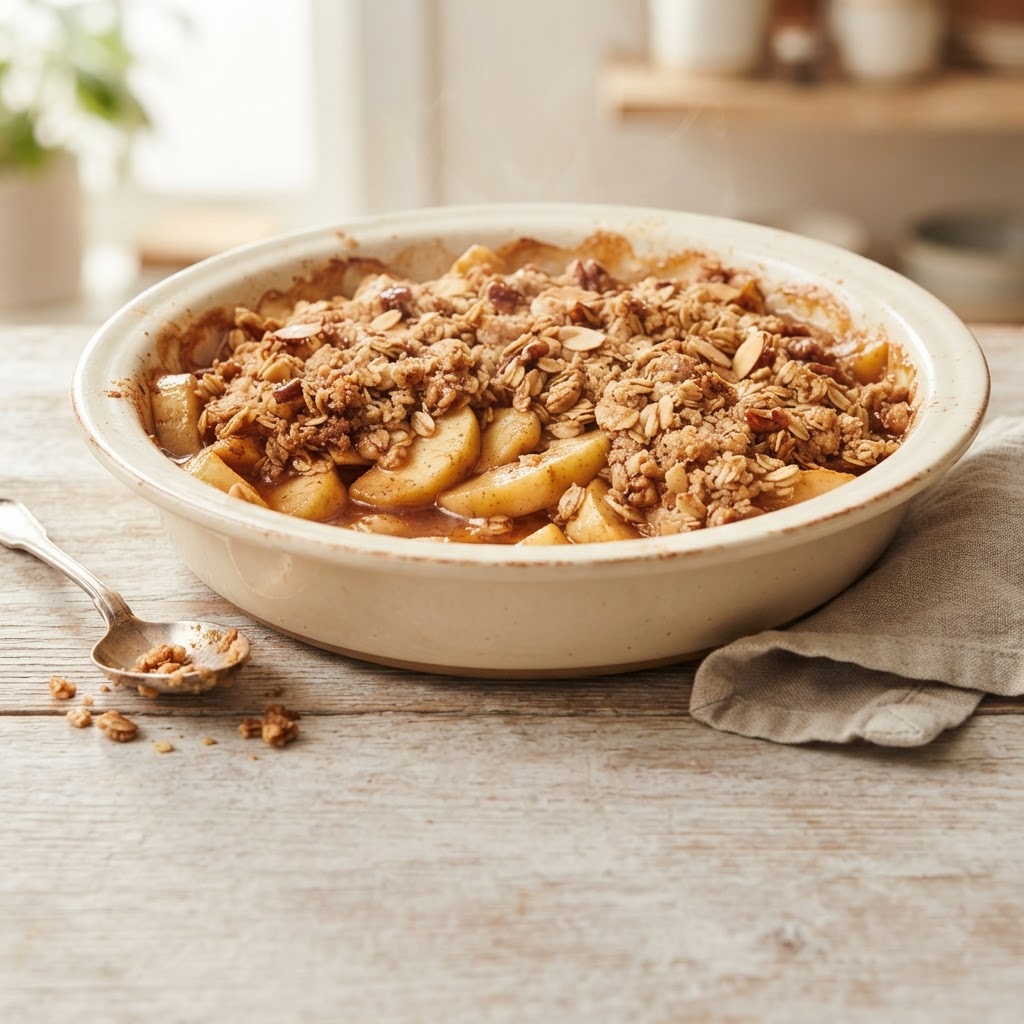
Quick reference
- Granny Smith: Firm, tart Holds shape; bright flavor
- Honeycrisp: Firm, sweet-tart Juicy with some structure
- Braeburn: Firm, balanced Tart-sweet and aromatic
- Pink Lady: Firm, tart-sweet Keeps a pleasant bite
- Best blend: Two varieties Pair tart with sweet
The best apples for apple crisp
Choose apples that are firm enough to hold their shape while baking and flavorful enough to balance the sweet topping. Granny Smith is a dependable tart choice, while Honeycrisp, Braeburn, and Pink Lady add sweetness without becoming bland. A crisp is usually better with a little contrast than with one uniformly sweet apple. For the most reliable result, use a firm tart variety, a firm sweet variety, or a blend of both.
Mix two varieties for better flavor
Mixing two types of apples gives the filling more depth and a better texture. Pair Granny Smith with Honeycrisp for a sharp, juicy-sweet combination, or use Braeburn with Pink Lady for a gentler tart-sweet profile. Keep the pieces similar in size so both varieties finish at the same time. A roughly even split is a useful starting point, but adjust the ratio toward tart apples if your topping is especially sweet.
- Tart plus sweet: Granny Smith and Honeycrisp
- Balanced blend: Braeburn and Pink Lady
- Use firm apples in both halves of the mix
Apples to avoid
Skip very soft, mealy, or heavily bruised apples for apple crisp. They can break down into a loose, uneven filling before the topping is fully browned. Very juicy apples may also need more thickener, depending on the variety and how much liquid they release. If an apple feels soft when you press it or cuts with little resistance, save it for applesauce rather than using it as the main crisp apple.
Prep for an even bake
Peeling is optional. Leave the skins on for more color and a slightly rustic texture, or peel the apples for a smoother, more tender filling. Remove the core, then cut the apples into evenly sized slices or chunks—about 1/4- to 1/2-inch thick is a practical range. Uneven pieces are the main reason some apples turn soft while others remain firm. Toss the cut apples promptly with the sugar and starch mixture so the coating is distributed before baking.
Balance sugar and starch
Let the apples determine how much sugar and starch you use. Naturally sweet apples usually need less added sugar, while tart apples can take more. Start conservatively; you can sweeten the filling, but excess sugar can make it watery. Starch should lightly coat the fruit rather than form a paste. Use a little more for very juicy apples and less for drier varieties. Because apple moisture varies by season, size, and type, judge the filling by how wet it looks before it goes into the dish.
- Taste a small slice before mixing
- Use enough starch to lightly coat, not clump
- Adjust sugar for the apple blend and topping
Quick selection guide
For a dependable apple crisp, choose apples that are firm, cut them evenly, and combine contrasting flavors when possible. A tart-sweet blend works especially well when the topping contains brown sugar, oats, or warm spices. Bake until the filling is bubbling at the edges and the apples yield easily when tested with a knife; the exact timing varies with the dish, apple thickness, and oven.